We are profoundly saddened by the untimely passing of our UCLA colleague Professor Ioanna Kakoulli on January 1, 2026. She had been battling cancer for some time. She died in Cyprus, her native country, where she had been living most recently. We send our deepest condolences to her husband, Giorgos Bayadas, and to her family and wide circles of friends and admirers in Cyprus, the United States, and elsewhere around the world. Ioanna will be remembered for her warmth, energy, infectious enthusiasm, and academic achievements, as well as her outstanding devotion to the con-servation of cultural heritage.
Ioanna was a founding faculty member of the UCLA/Getty Interdepartmental Program in the Conservation of Cultural Heritage and assisted in its inception from 2003 to 2005. Serving as chair from 2011 to 2017, she was a key figure in building the program into what it is today. Among her many contributions to the program, she established the Lore and Gerald Cunard Chair endowment, the Kahn Foundation endowment, and more recently the PhD program in the conservation of material culture.
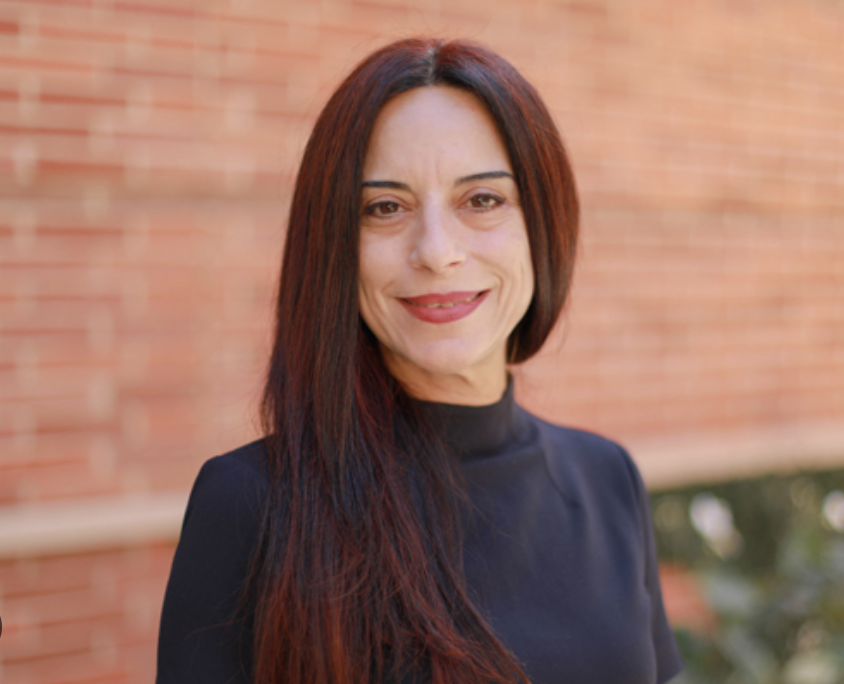
In addition to her position in the UCLA/Getty Conservation Program, Ioanna held a joint appointment in her home department of Materials Science and Engineering. She served as codirector of the Molecular and Nano Archaeology Laboratory and was founder of the archaeomaterials group. She was also active across the UCLA campus, serving in the Academic Senate as chair of the graduate council and a member of the executive board. In these capacities she was a strong advocate for graduate education and faculty governance. In addition, she was elected to the faculty executive committee in the School of Engineering and served as acting director of the UCLA Stavros Niarchos Foundation Center for the Study of Hellenic Culture. She was also on the advisory committee for the Cotsen Institute of Archaeology. Her interest in establishing the authentic origins of works of art led to her work with the U.S. Department of Homeland Security in investigating the illicit importation of antiquities into the United States.
When she arrived at UCLA, Ioanna brought with her extensive knowledge of spectral imaging, a DPhil in archaeological materials science from Oxford, and a postgraduate diploma and MSc in the conservation of mural paintings from the Courtauld Institute of Art, University of London. Her prior teaching career includes a notable period in Malta, where she played a key role in equipping the Malta Centre for Restoration’s Diagnostic Scientific Laboratories and establishing a degree program in conservation studies.
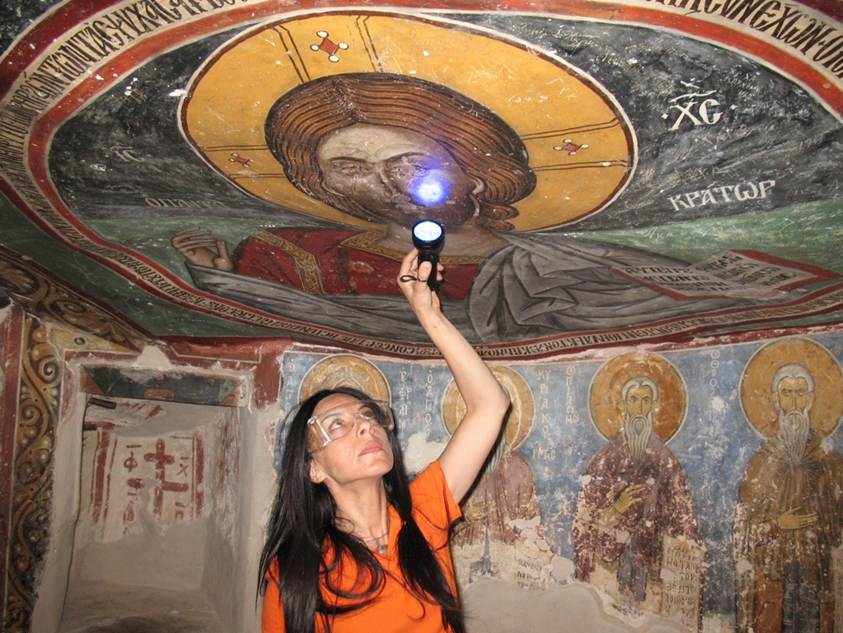
Ioanna’s research focused on five key areas: the science of archaeological materials and ancient technologies, forensic archaeology, the creation of new materials inspired by the mechanical and optical properties of ancient material culture, and the sustainability of biocultural heritage. Her interest in classical and Hellenistic painting materials led to seminal publications on ancient wall paintings. Over her career, Ioanna contributed to books and published numerous papers in scientific journals, including Nature, Microscopy & Microanalysis, Analytical Chemistry, and the Journal of Archaeological Science, expanding the scope of her scholarly contributions. Ioanna was the first female professor hired in UCLA’s Department of Materials Science and Engineering, which marked an important and enduring collaboration between that department and the Conservation Program.
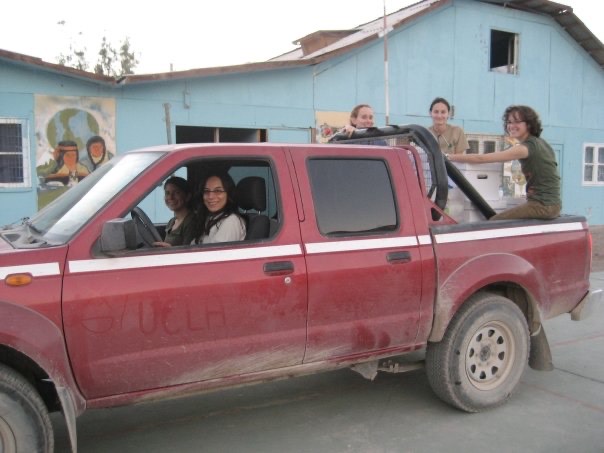
Ioanna was passionate about scientific research and the conservation of the cultural heritage of her homeland and the eastern Mediterranean more broadly, though her research interests ranged widely, including to Asia and Central America. She served as a visiting professor at MIT and the University of Cyprus and was on the board of the Cyprus American Archaeological Research Institute. For several years, she analyzed important wall paintings at the Enkleistra of St. Neophytos in Paphos, Cyprus. Her international collaborations include teaching various ICCROM courses, notably contributing to the module on the illicit trafficking of antiquities within the First Aid in Times of Crisis program. Ioanna also served on numerous scientific boards for conferences and symposia, furthering dialogue and research in the field of conservation and the characterization of materials.
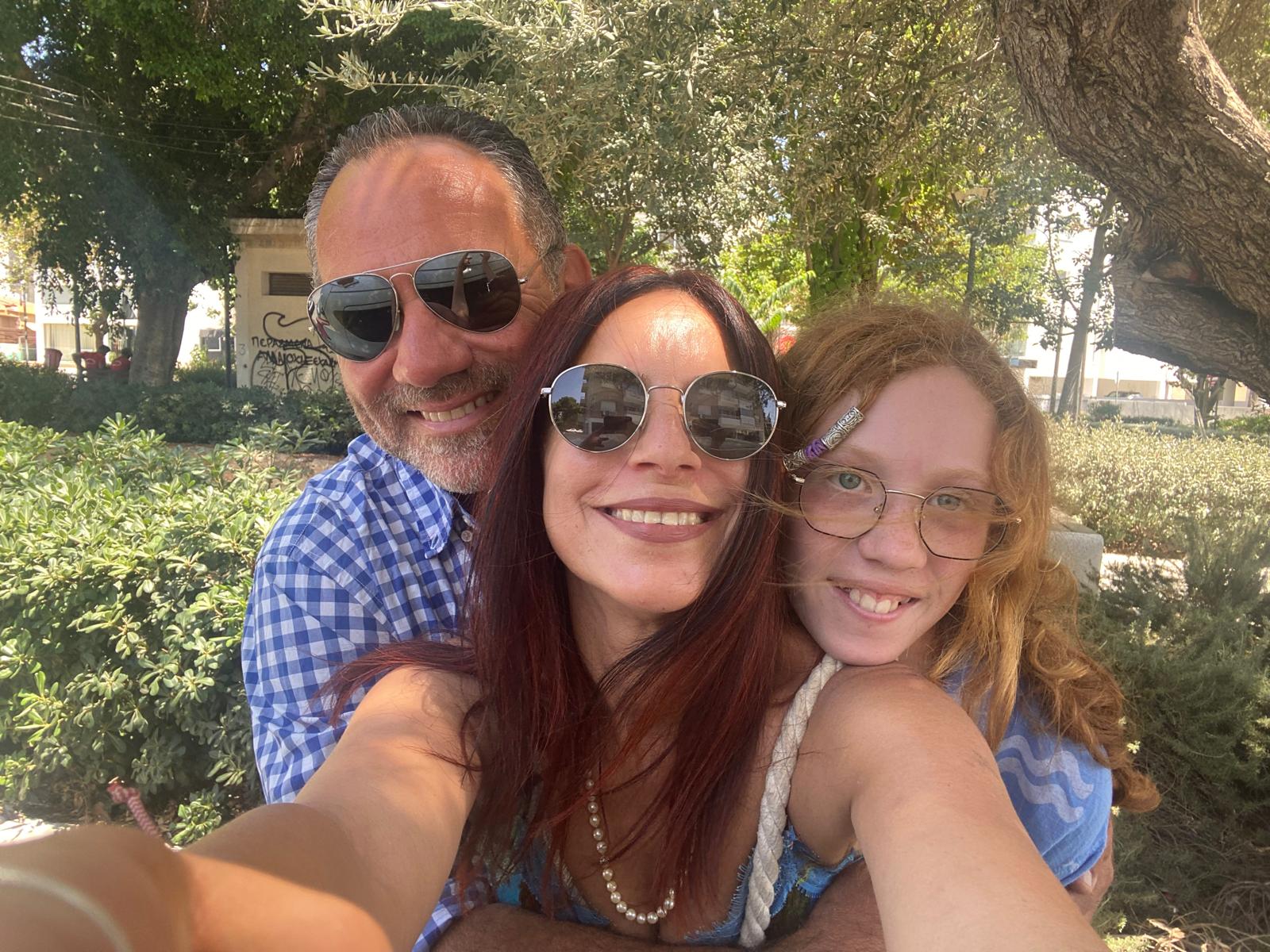
Ioanna supervised more than 40 graduate students in the UCLA/Getty Interdepartmental Conservation Program, in the Department of Materials Science and Engineering, and elsewhere around the world. She will be greatly missed at UCLA and within the broader worldwide community devoted to the conservation, protection, and scientific research of cultural materials. She is survived by her loving husband, Giorgos Bayadas; her stepdaughter, Calypso Bayadas; her mother, Nadina Kakoulli; her sister, Tatiana Sarrafi; and her brother, Christoforos Kakoullis.